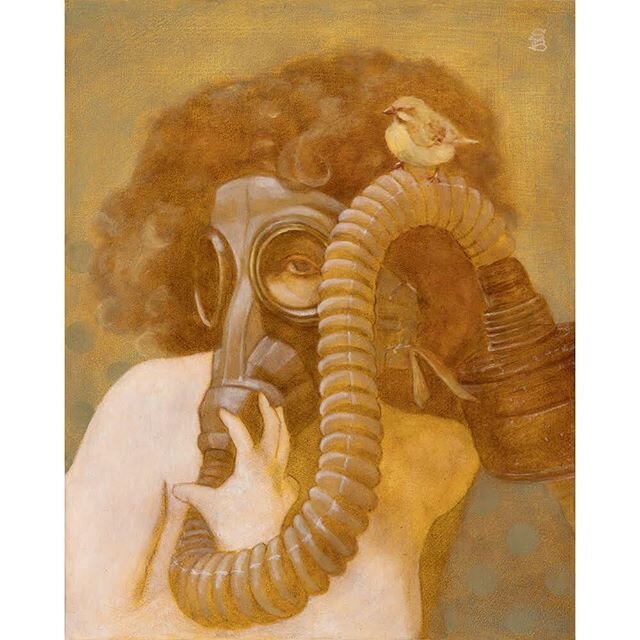
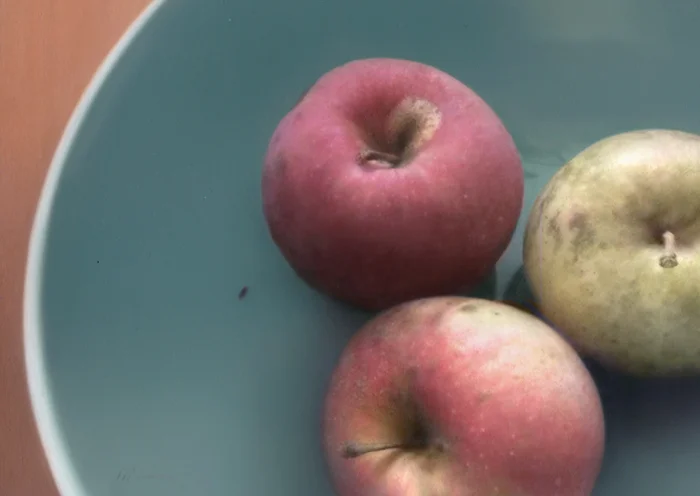
Elle Kaye is a taxidermist who specialises birds, preserving their beauty and personality through the traditional art of taxidermy. More commonly associated with the Victorian era, we were very excited to catch up with an artist who is disrupting the field and shifting stereotypes of this art form.
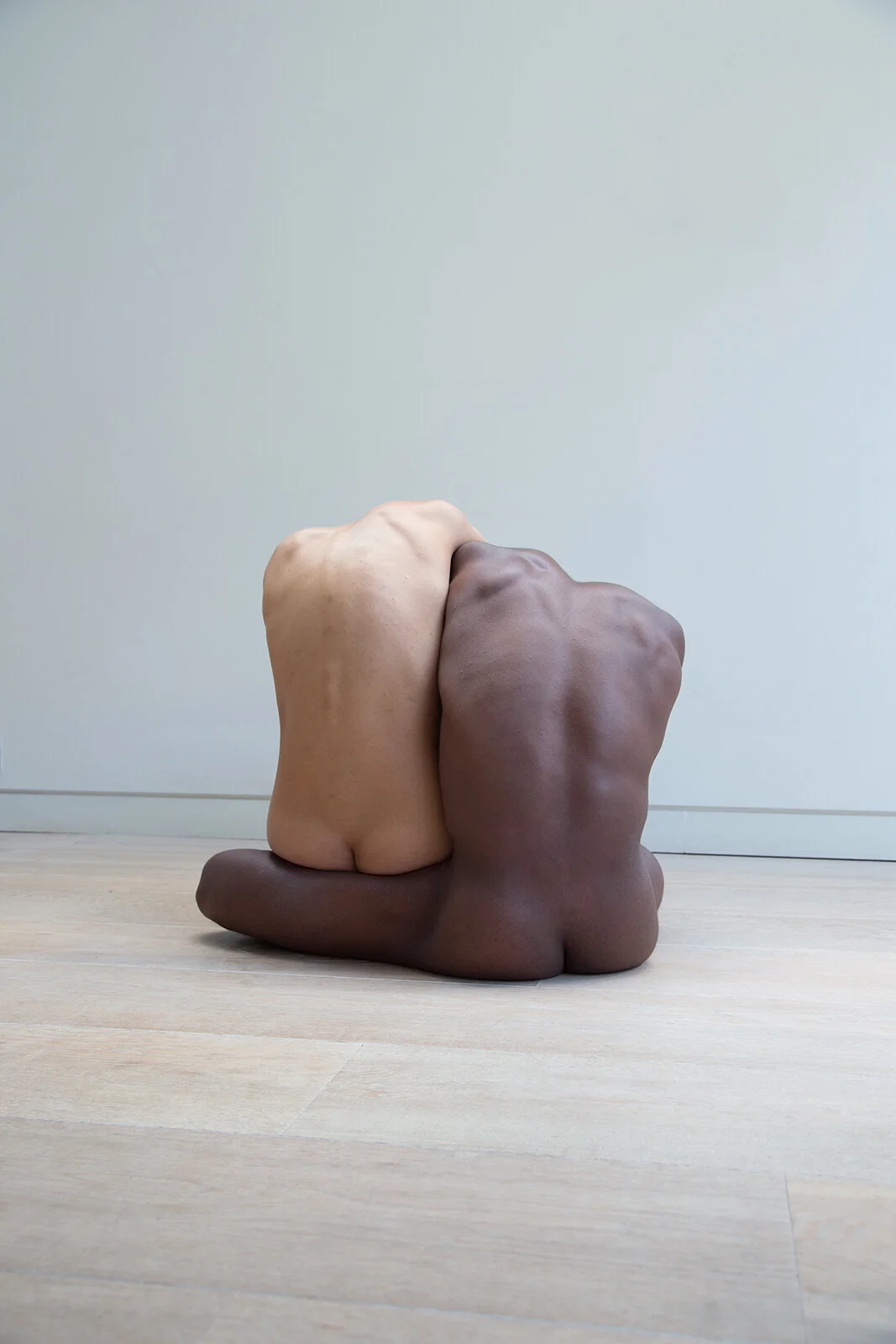
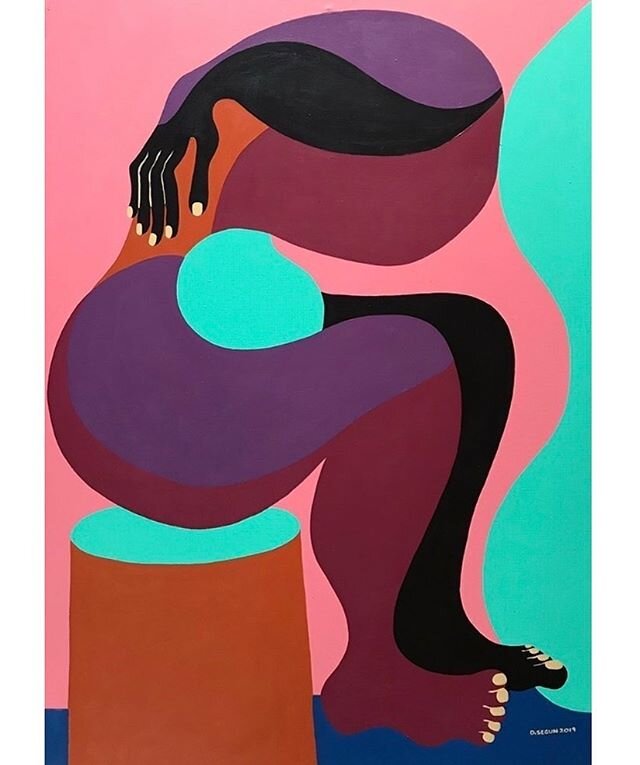
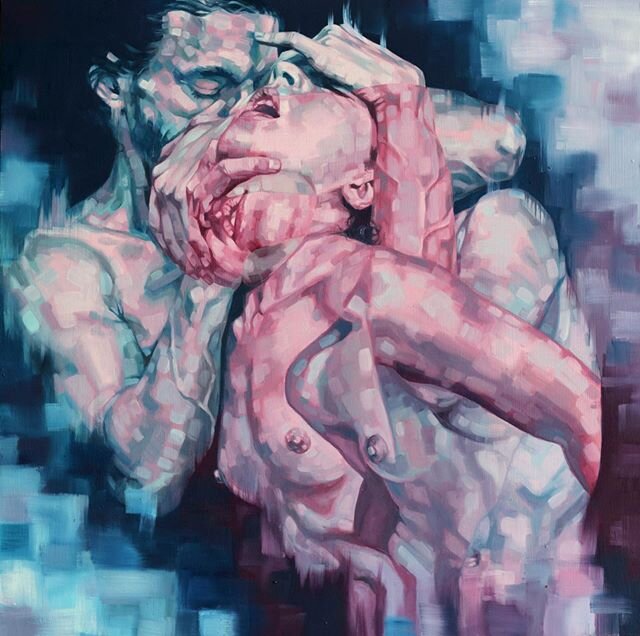
For a long time I had been interested in the human body and how diverse our experiences of having one are. I had been photographing it for a while, trying to abstract it through different techniques, none of which I was very happy with. It was when I took a shot where no arms, legs or head were visible, only a cubic torso, that I felt I was really connecting with something.

Occasionally, to engage with art and culture, we have to suspend the faculties of judgement that privilege empirical reasoning and logic. Art asks us to extend our imaginations to truly appreciate a story or a concept. On the face of it, this approach to artwork, which is experientially connected to ideas of child’s play, seems to justify a perception that art belongs at the periphery of social action and identity. Yet, as the works of contemporary Iranian artists, Monir Farmanfarmaian, Shirazeh Houshiary, and Parvis Tanavoli demonstrate, these kinds of encounters can have significant consequences for the constitution of identity, on both an individual and social level . Through each of their practices, these artists have presented visual forms as way to to rethink the value of ambiguity, and possibility in our lives.

Anyone remotely familiar with Iran and its culture will know that poetry is an important element of its national identity. The country prides itself on its unique and rich literary history; poetry is woven into everyday life, with quotes from classical poems appearing in casual conversations, fortune telling, and as advice. Many Iranians ¾ from taxi drivers to the founder of the Islamic republic of Iran, Ayatollah Khomeini ¾ write their own poetry, and it is not uncommon for Iranian politicians to reference literary masters in their speeches. And, for a long time, poetry was one of Iran’s main cultural exports.